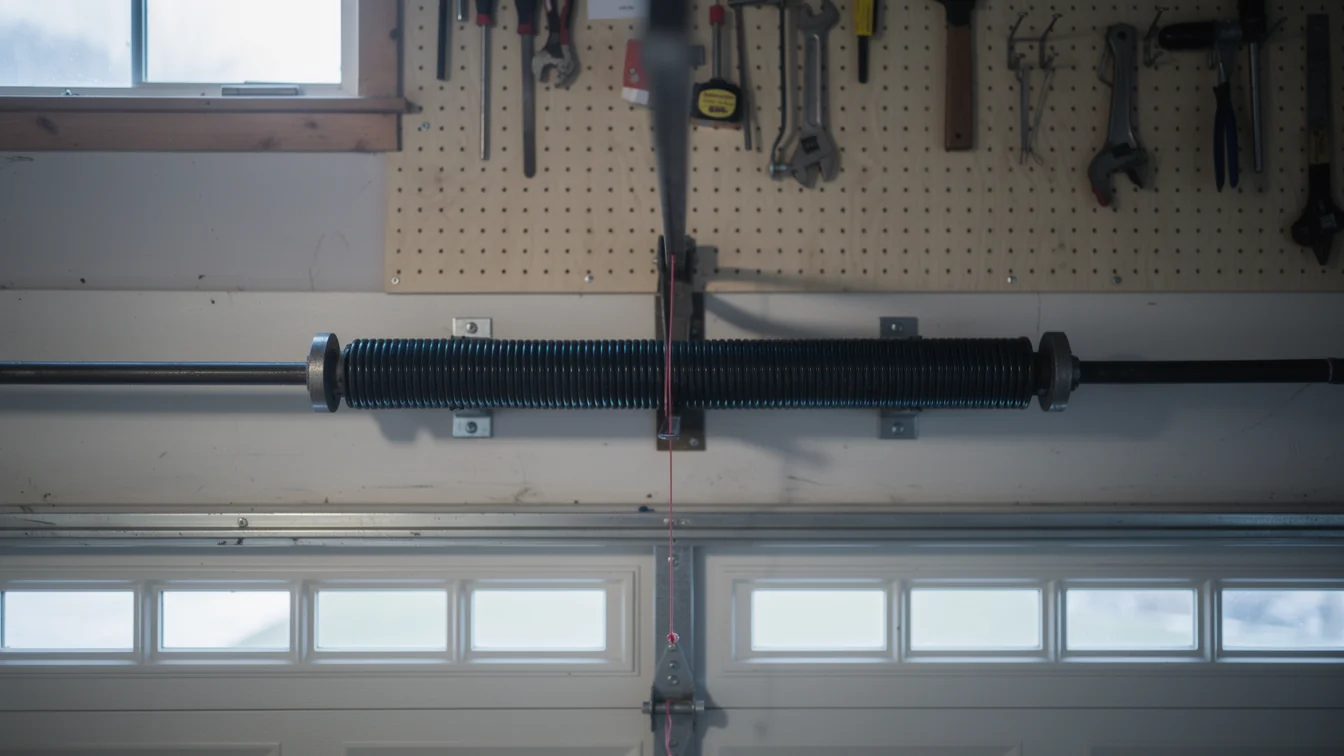
 Cold Weather and the Original Springs on Olive Branch Garages
Olive Branch homes mostly date to 1980-2001, so original torsion springs are aging fast.
BlogOlive Branch, MS · 5 min read
Why Olive Branch Garages Lose Heat in Winter
Olive Branch homes mostly went up between 1980 and 2001, before insulated doors were code-required - here's what that means for winter heating costs today.
Local detail
The Common Mistake
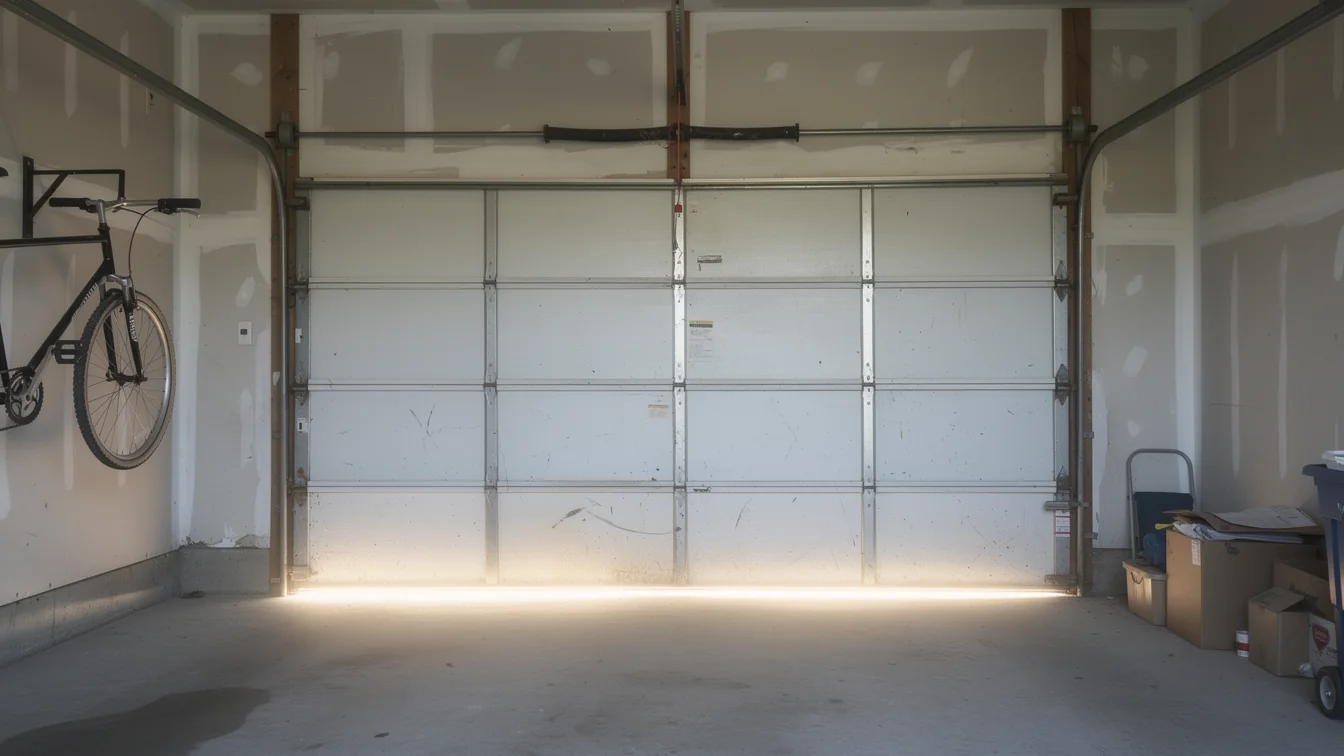
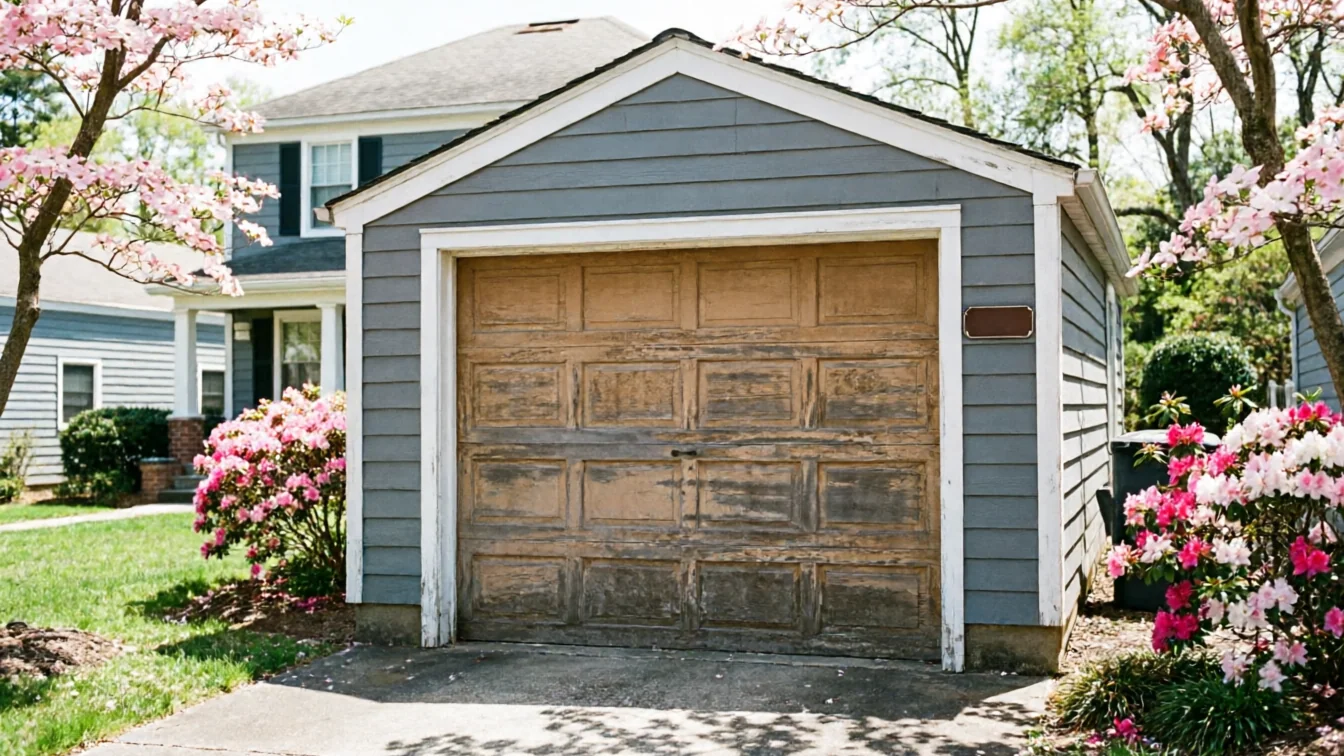
The mistake we see most in Olive Branch is a homeowner who weatherstrips the sides of the door and calls it fixed. New rubber seal around the jambs helps with drafts at the edges, but it does nothing for the panel itself. Most houses here went up between 1980 and 2001, with the median build year sitting at 1993, back when a standard steel garage door was a single layer of sheet metal with no foam core and no thermal break. That panel conducts cold straight through, seal or no seal.
Across the six areas we work, the housing stock is almost all from that same 1980s-90s run. That means thousands of garages in town share the identical problem: a door that was never built to hold heat, installed on a house that otherwise meets normal insulation standards everywhere else. Owners patch the gaps and wonder why the garage still reads twenty degrees colder than the house. The gap isn't the issue. The panel is.
We'll still install weatherstrip when it's worn out - it's cheap and it matters. But if someone asks us to make an old uninsulated door act like a modern one with trim and seal alone, we tell them straight: that's not where the heat loss is coming from.
The area
How Local Conditions Play In
Olive Branch sits in a cold-moderate climate band, not the deep freeze you'd get further north, but enough real winter that an uninsulated door matters for a few solid months a year. Combine that with a housing stock concentrated in the 1980-2001 build window, and you get a specific, local problem: a lot of garages attached to living space, built in an era before insulated doors were common, sitting in weather that's cold enough to notice the difference.
Median household income across the service area runs around $55,611, which is part of why we see more repair calls than full replacements - a new insulated door is a real expense, and a lot of people reasonably want to get more life out of the one they have first. With roughly 11,147 owner-occupied houses in the service area, most built in that same two-decade stretch, this isn't a handful of odd cases. It's the baseline condition of the garage doors in this part of town.
What that means in practice: when we're out on a call for a stuck opener or a broken spring on a house from that era, the door itself is usually also uninsulated steel, and that's worth mentioning to the owner even if it's not what they called about.
What we find
What Is Going On
A garage door isn't like the walls of the house. Walls built in 1993 got code-required insulation. The garage door bolted into that same house, built the same year, very often didn't have to meet any insulation standard at all - doors were treated as a separate, lower-priority piece of the building envelope. So you end up with a house that holds heat fine everywhere except one eight-by-seven or sixteen-by-seven hole in the wall.
Over time that shows up as a garage that never warms past the outside temperature, a wall shared with the house that feels cold to the touch, and sometimes condensation on the inside of the panel when warm air meets cold steel. None of that is a sign the door is broken. It's doing exactly what an uninsulated 1990s steel panel was built to do - which is not much, thermally speaking.
The honest limitation here: we don't have a way to turn an existing single-layer panel into an insulated one. Foam-board kits glued to the inside of the panel help a little with noise and a little with temperature, but they don't come close to what a factory-insulated door does. If the garage is genuinely being used as living space or a workshop, replacing the door is the real fix, not a patch job.
How we work
Season by Season
Winter is when this shows up most. In a cold-moderate climate like ours, the garage doesn't need to hit single digits for an uninsulated steel door to feel the difference - any sustained stretch of cold weather is enough to turn an attached garage into the coldest room in the house. Pipes along that wall, a freezer kept out there, anything stored against the garage-side wall of the house - all of it runs colder for longer than it would with an insulated door in place.
Spring and fall are when the symptoms are easiest to miss, because the temperature swings are smaller and the door's lack of insulation doesn't announce itself. It's also a reasonable window to deal with the door before the next cold stretch, since we're not fighting a backlog of emergency calls the way we might be in the coldest weeks.
We don't have reliable local data on summer heat extremes for this area, so we won't make claims there - but the winter pattern tied to this housing stock and this climate band is consistent enough that it's worth planning around rather than reacting to.
Questions
Common questions
Why is my garage so much colder than the rest of the house?
If your house was built between 1980 and 2001 - which covers most of Olive Branch - your garage door is very likely a single layer of uninsulated steel. Walls built that same year met insulation code; the door usually didn't have to. That's the gap, literally and thermally.
Will new weatherstripping fix the cold garage?
It helps with drafts around the edges, but it won't touch the main problem, which is heat moving straight through an uninsulated steel panel. If the garage still feels cold with tight, new seal in place, the panel itself is the issue, not the gaps around it.
Is it worth replacing an old door just for insulation?
Depends on how you use the garage. If it's just for parking cars, an uninsulated door from the 1980s-90s build era is often fine to leave alone. If it's attached living space, a workshop, or holds a freezer, an insulated replacement pays for itself in comfort even if the old door still opens and closes fine.
Can I add foam insulation to my existing door myself?
You can glue in foam-board kits, and they take a little edge off noise and temperature. They're not close to a factory-insulated door, though. If the panel is original to a house from the 1980-2001 build era, a kit is a stopgap, not a real fix.
Recommendation
You Might Also Like
More garage door guides for Olive Branch homeowners.
Cold Weather and the Original Springs on Olive Branch Garages
Olive Branch homes mostly date to 1980-2001, so original torsion springs are aging fast.
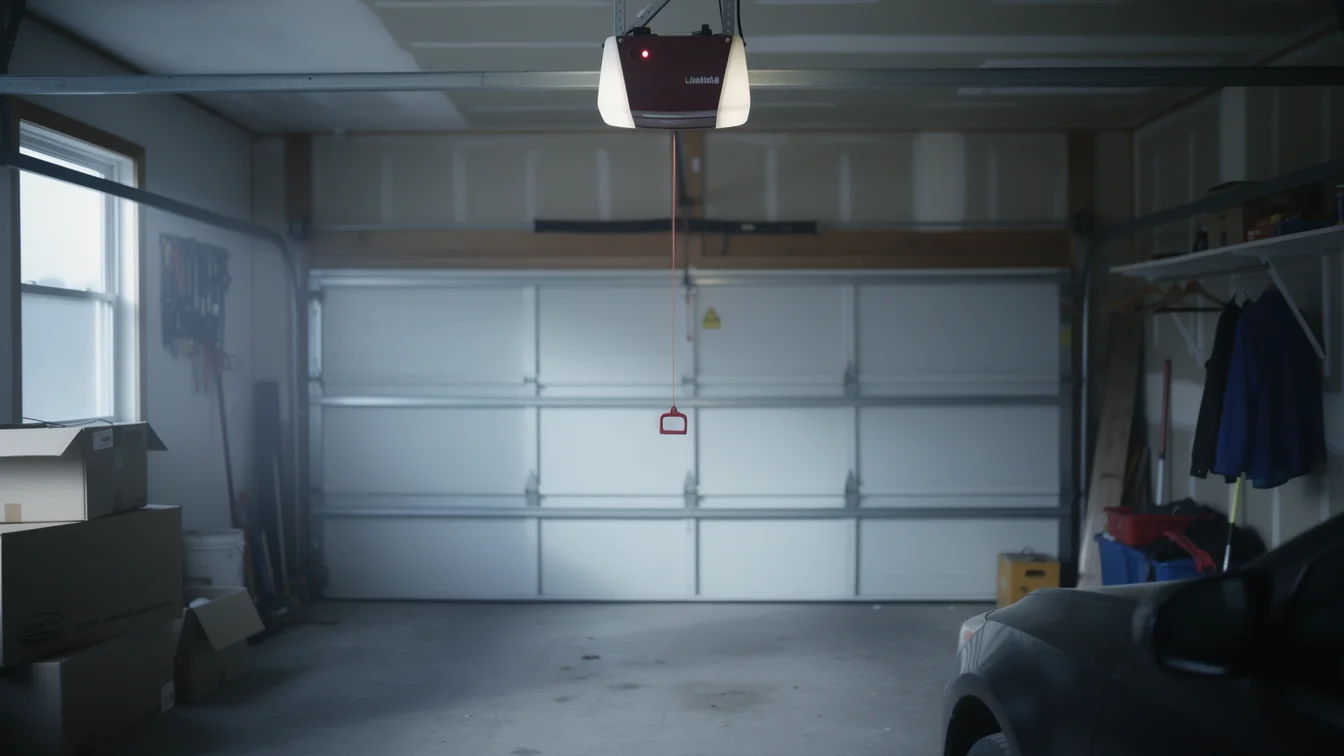 What Happens to an Olive Branch Garage Door Opener During a Power Cut
Olive Branch homes built between 1980 and 2001 often have original openers that strain during power cuts and cold snaps - here's what typically fails.
 Is Your Olive Branch Garage Door Worth Fixing, or Done
Most Olive Branch homes date to the 1980s-90s building boom.
Ready when you are
Need a garage door sorted in Olive Branch?
Olive Branch Garage Door Pros repairs and installs garage doors, springs and openers in Olive Branch, MS and the surrounding area.